

The Men of Peace Cohort is part of a larger pathway of care for abusive men built around Counseling (Biblical), Cohort (Men of Peace), and Christlikeness. It begins with biblical counseling, where each man is treated as a counselee and is expected to engage in focused, gospel-centered care aimed at honest confession, deep heart change, and practical repentance that becomes measurable over time. Alongside counseling, men are expected to join the Men of Peace Cohort when it is offered. The Cohort is offered twice each year as a 14-week intensive—one Fall cohort and one Winter/Spring cohort—so that what is addressed privately in counseling is strengthened through structured group learning, accountability, practice, and support. Our aim is not simply behavior management, but Christlikeness—the way of Jesus, who “came not to be served but to serve” (Matt. 20:28): a re-rooted life that rejects entitlement, control, and self-justification and grows into genuinely safe, servant-hearted leadership. And because sin always impacts relationships, we speak of restoration carefully—not as a promise that a family will be restored on a timeline, but as a commitment to pursue what is right before God: truth, humility, wise repair where possible, and lasting change, while prioritizing safety and integrity every step of the way.

What you can expect on the journey:
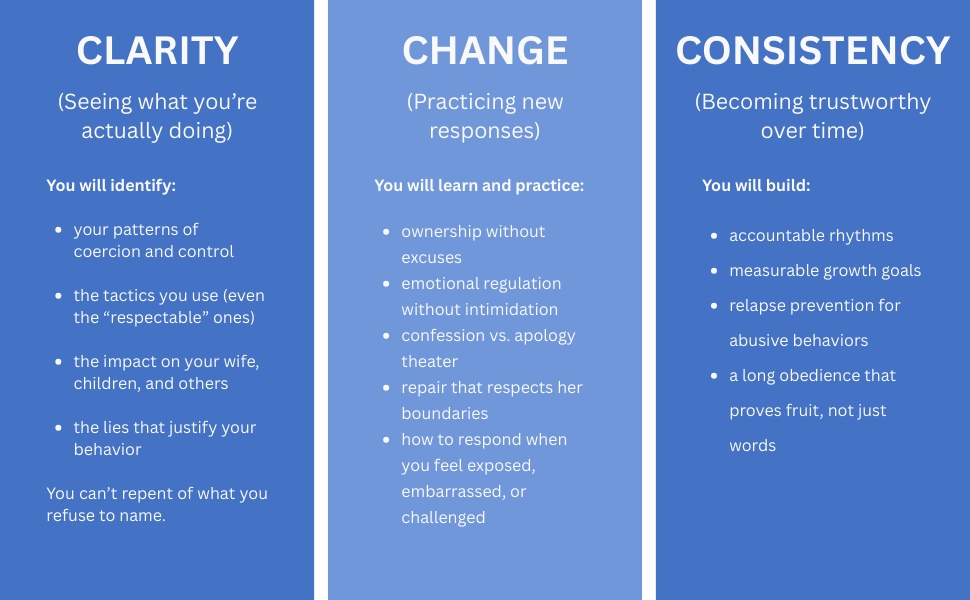
We do this through:

Abuse is a heart issue, not just stress or “marriage conflict.” It flows from the heart and shows up in sinful words and deeds (Mark 7:20–23; James 4:1–3).
Counseling brings a man into the light with honest confession and truth-telling before God (1 John 1:5–9).
We call for full responsibility—no excuses, no blame-shifting, no minimizing (Prov. 28:13; Luke 15:17–19).
We cultivate the fear of the Lord instead of fear of man, consequences, or loss of control (Prov. 1:7; Gal. 1:10).
We confront abusive patterns as sin to be put off and put to death—entitlement, intimidation, manipulation, and anger (Eph. 4:22–32; Col. 3:5–14).
We build humility and teachability as essential marks of repentance and growth (James 4:6–10; Prov. 11:2).
We train new habits of speech and self-control—quick to listen, slow to anger, truthful, and constructive communication (James 1:19–20; Prov. 15:1; Eph. 4:29; Prov. 12:18).
Why is Biblical Counseling Important?
-
Biblical counseling is the primary lane of care for a man who is prone to abuse because abuse is not merely a “relationship problem” or a “stress problem”—it is a heart-and-worship problem that expresses itself in sinful words and deeds (Mark 7:20–23; James 4:1–3). In counseling, we help a man come into the light with honesty (1 John 1:5–9), take responsibility without excuse or blame-shifting (Prov. 28:13; Luke 15:17–19), and learn to fear the Lord instead of fearing man, consequences, or loss of control (Prov. 1:7; Gal. 1:10). We confront patterns of entitlement, intimidation, manipulation, and anger as works of the flesh that must be put off and put to death (Eph. 4:22–32; Col. 3:5–14), and we call him to a posture of humility and teachability that God promises to bless (James 4:6–10; Prov. 11:2). Counseling then builds new habits of speech, self-control, and love—slow to anger, quick to listen, truthful, and constructive (James 1:19–20; Prov. 15:1; Eph. 4:29; Prov. 12:18).
Abuse thrives in secrecy, so counseling calls men into the light—open before God and others, with wise oversight and accountability (Eph. 5:11–14; Prov. 12:15; Prov. 15:22; Heb. 3:12–13).
We establish practical, safety-oriented boundaries that prioritize protection and stability—not image management (Prov. 22:3).
Men learn to accept “no” and respond without retaliation—making space, submitting to restrictions/supervision, and pursuing peace without demanding control (Rom. 12:18; 1 Cor. 13:4–7).
We confront the justification of sinful anger, because it does not produce God’s righteousness (James 1:20).
We train true strength—patience, restraint, and measured speech instead of intimidation or escalation (Prov. 16:32; Prov. 14:29).
We aim for deep root change over time—replanted from self-rule (“dry land”) into life-giving grace, bearing consistent fruit (Jer. 17:7–8; Jer. 2:13; John 4:13–14).
The outcome we pursue is genuine safety and Christlike character—repentance, humility, integrity, and love that seeks the family’s good rather than
-
Because abuse often escalates in private and feeds on secrecy, biblical counseling emphasizes living openly before God and others, walking in the light, and inviting wise oversight (Eph. 5:11–14; Prov. 12:15; Prov. 15:22; Heb. 3:12–13). This includes practical safety-oriented boundaries: learning to accept “no,” to respond without retaliation, to make space, to submit to supervision and restrictions, and to pursue peace without demanding control (Prov. 22:3; Rom. 12:18; 1 Cor. 13:4–7). A man is taught to stop justifying sinful anger—because “the anger of man does not produce the righteousness of God” (James 1:20)—and to pursue the kind of strength Scripture commends: patience, restraint, and measured speech (Prov. 16:32; Prov. 14:29). Over time, counseling aims to produce a man whose roots are being replanted from the “dry land” of self-rule into the life-giving grace of God—“like a tree planted by water” that bears consistent fruit (Jer. 17:7–8; Jer. 2:13; John 4:13–14). The goal is a man who is becoming genuinely safe, whose life increasingly reflects Christ: repentance, humility, integrity, and love that seeks the good of his family rather than his own power (Phil. 2:3–8; Mic. 6:8; 2 Cor. 5:17).
Jeremiah 17:5-6
“Cursed is the man who trusts in man and makes flesh his strength, whose heart turns away from the LORD…
…He is like a shrub in the desert, and shall not see any good come. He shall dwell in the parched places of the wilderness, in an uninhabited salt land.” (ESV)

Jeremiah 17:7-8
“Blessed is the man who trusts in the LORD, whose trust is the LORD…
…He is like a tree planted by water, that sends out its roots by the stream, and does not fear when heat comes, for its leaves remain green, and is not anxious in the year of drought, for it does not cease to bear fruit.” (ESV)


Biblical counseling is gospel-centered—aiming for more than behavior control; it pursues repentance that bears real fruit (Luke 3:8; 2 Cor. 7:10–11).
Men learn specific confession and concrete repair—owning sin clearly, pursuing restitution where appropriate, and making wise steps toward repair (Matt. 3:8; Philemon 10–18).
Accountability is long-term—men are taught to accept time, process, and oversight rather than demanding quick trust or instant restoration (Prov. 25:14).
Domination is replaced with servant leadership, because Jesus forbids “power-over” leadership: “not so with you” (Mark 10:42–45).
Husbands are called to cruciform love that protects and nourishes rather than harms (Eph. 5:25–28).
Men are trained in gentleness, patience, and honor, especially toward the vulnerable (Gal. 5:22–23; 1 Thess. 5:14–15; 1 Pet. 3:7).
Counseling renews the mind—exposing lies and replacing them with truth that produces transformed living (Rom. 12:1–2; Eph. 4:23–24; John 8:31–32).
-
At the same time, biblical counseling is gospel-centered, meaning it aims for more than behavior management: it aims for repentance that bears fruit (Luke 3:8; 2 Cor. 7:10–11). A man learns to confess sin specifically, pursue restitution and repair where appropriate, and accept long-term accountability rather than demanding quick trust or instant restoration (Matt. 3:8; Philemon 10–18; Prov. 25:14). He is taught to replace domination with servant leadership, because Jesus forbids power-over leadership and commands a different way: “not so with you” (Mark 10:42–45). Husbands are called to love with a cruciform love that protects and nourishes rather than harms (Eph. 5:25–28), and men are called to gentleness, patience, and honor—especially toward those weaker or more vulnerable (Gal. 5:22–23; 1 Thess. 5:14–15; 1 Pet. 3:7). Counseling also helps a man examine the lies he believes about himself, others, and God, and to renew his mind with truth that produces transformed living (Rom. 12:1–2; Eph. 4:23–24; John 8:31–32).
Men of Peace Cohort

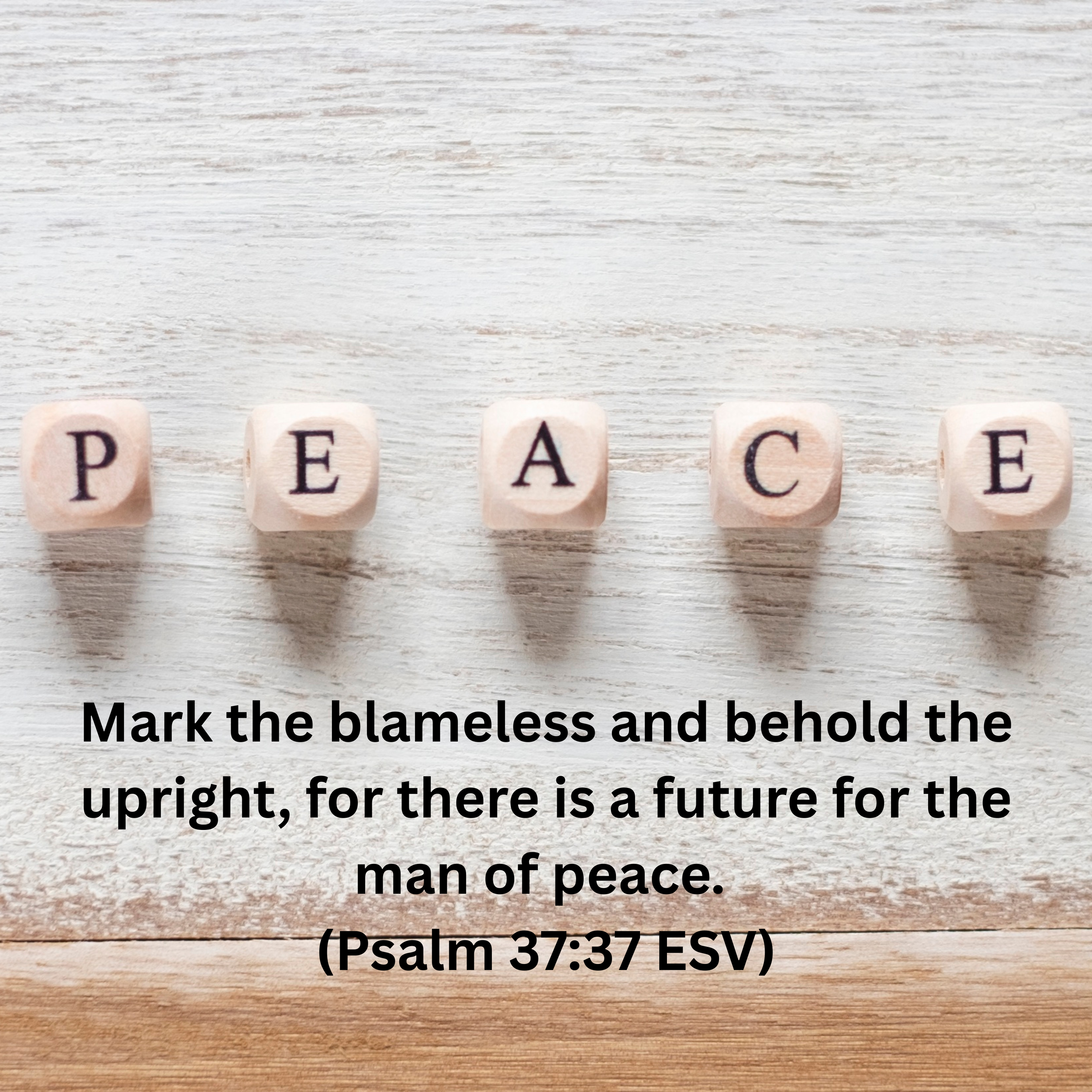
“Mark the blameless and behold the upright, for there is a future for the man of peace.” (Psalm 37:37 ESV)

You already know something is wrong.
Maybe it’s your anger. Your intimidation. The way you shut her down, corner conversations, or punish with silence. Maybe you’ve blamed stress, your past, her reactions, or “mutual toxicity.” But deep down you know: your choices have caused harm.
And you’re tired of cycling through regret, promises, and damage control.
You need more than information. You need a path—paired with accountability.
Men of Peace is a structured, gospel-centered cohort for men who are ready to take full responsibility and learn a new way of living.
The Men of Peace Cohort is a structured, accountability-based coaching and discipleship experience co-facilitated by trained leaders. It is designed for men who have identified abusive or destructive patterns in themselves and are committed to taking responsibility for their behavior and walking a genuine path of repentance.
Men of Peace is offered in two 14-week cohorts each year: a Fall Cohort and a Winter/Spring Cohort. Each cohort follows the same core pathway and combines the Men of Peace Self-Paced Course with weekly reflection and application assignments, group discussion, accountability, and live coaching from trained facilitators. The cohort is designed to complement—not replace—the individual biblical counseling each participant receives through the Biblical Living Center.
Participation requires a willingness to be honest, receive feedback, complete assigned work, practice non-violent, respectful, and godly ways of relating, and participate consistently throughout the 14 weeks. This is not therapy or crisis intervention. It is a gospel-centered coaching and discipleship environment emphasizing personal accountability, heart change, practical repentance, skill-building, and observable fruit over time.
In addition, we operate with the expectation that a participant’s wife is receiving ongoing biblical care and support and that, when appropriate, church leadership may be included as part of a wise accountability and restoration pathway that prioritizes safety, clarity, and lasting change.
Men of Peace is for you if you can say:
“I have used abusive, controlling, intimidating, or destructive behaviors.”
“I’m done defending, minimizing, or blaming.”
“I want to repent—not just feel bad.”
“I’m willing to be coached, confronted, and held accountable.”
“I want to become a man who brings safety and steadiness to my home.”
This cohort is designed for men who want real change, not a religious cover for continued harm.
Who is this for?
What we mean by “peace”?
Peace is not passivity. It’s not avoidance. It’s not “keeping the lid on.”
It’s not behavior change.
Biblical peace is strength under control—the kind of strength that builds up, protects, listens, tells the truth, and refuses domination. Jesus is not harsh, unsafe, or manipulative—and He does not disciple men into those patterns.
Men of Peace is about learning to live like Christ in the places you’ve been most dangerous: blame, entitlement, conflict, disappointment, fear, shame, and desire for control.
Peace is fruit of the Spirit that comes from gospel-centred heart change.
What the cohort includes
A structured, accountability-based experience, led by trained facilitators, that typically includes:
14 weekly live group sessions — Men of Peace is offered twice each year, with a Fall Cohort and a Winter/Spring Cohort. Groups normally meet Saturdays from 8:00–9:30 AM Eastern. Specific dates and scheduled breaks are published for each cohort.
A clear weekly rhythm (reflection + life application)
Group Accountability check-ins
Practical assignments (Videos and Workbook)
Direct feedback, loving confrontation, and coaching
A focus on nonviolent, respectful, Christlike relating
This is not therapy. It is a structured coaching + discipleship cohort with firm accountability.

A word about safety and your spouse
If you have a spouse/significant other, we care deeply about her safety, clarity, and support. The Men of Peace Cohort is not a stand-alone program—it is part of our continuum of care for the whole family. That means we do not work only with “your growth” in isolation; we also want to ensure that your spouse has a clear pathway to be heard, supported, and protected while you pursue repentance and measurable change over time.
Facilitating this is YOUR first step in demonstrating repentance.
As part of this process, we operate with the expectation that your spouse has her own ongoing care (through biblical counseling and/or trusted support), and that her support does not depend on your version of events. We also aim—when appropriate and with wisdom—to ensure your church leadership is aware and appropriately involved, so that the church can fulfill its responsibility to shepherd the flock, support the vulnerable, and help establish safe accountability structures (Acts 20:28; Ezek. 34:2–4).
Your spouse’s participation is always optional. We do not pressure or recruit spouses. We take safety seriously, and we will encourage a plan that prioritizes protection, stability, and wise support while you pursue Christlike change.
Men who engage fully often see:
reduced escalation and intimidation
increased honesty and ownership
better emotional control under stress
humility that rejects entitlement
a clearer conscience before God
changed patterns that others can actually feel and see
This is not quick-fix change. It is real repentance—proven over time.
What you’ll get out of this (if you do the work)
Men of Peace may not be appropriate if you are currently:
in active crisis requiring emergency intervention
seeking a program to “prove” change while continuing harm
unwilling to accept full responsibility for abusive behavior
not fully connected with your local church, since accountability is vital
If you are under a protective order, facing criminal charges, or have engaged in physical violence, you may be required (or strongly encouraged) to enroll in a state (BIPP)/provincially accredited batterer intervention (PAR) program in your area.
Men of Peace is not a replacement for court-mandated programming.
Important eligibility notes
What are the Next Steps?
Fill out the Application (see link below)
Consult with a Biblical Counselor (Free)
Begin individual Biblical Counseling
Purchase the Men of Peace Self-Paced Course
Enroll in the next available 14-week Men of Peace Cohort and participate fully in all sessions, assignments, and accountability
If you are ready to stop managing your image and start walking in the light, apply now.
We will review your submission and follow up with next steps (and any screening needed to confirm fit).
Please Note:
We are currently accepting applications for the
January 2027 Men of Peace Cohort.
Individual biblical counseling can begin before the cohort starts, allowing men to begin the work of taking responsibility, pursuing change, and preparing for the group experience. Please complete an application to begin the process and reserve consideration for the January cohort.
Christlikeness
Christlikeness is not image-management or learning religious language—it’s the Spirit-empowered re-formation of a man into the likeness of Jesus so that his life becomes steadily safe, truthful, humble, and sacrificial. 2 Peter 1:3–8 casts the vision: God’s divine power supplies what we lack for life and godliness, and then calls us to “make every effort” to grow in visible maturity—faith that produces virtue, knowledge, self-control, steadfastness, godliness, brotherly affection, and love. And when we fail, Scripture also tells us what real repentance looks like: 2 Corinthians 7:10–11 describes “godly grief” that produces repentance with evidence—earnestness, an eagerness to clear the matter, indignation toward sin, fear of the Lord, longing and zeal for what is right, and a willingness to accept appropriate consequences and safeguards. That’s the Men of Peace kind of change: not talk, but fruit over time—where a man turns from entitlement to service and uses his strength to protect rather than control.
And that means a man can increasingly say:
I respond with earnestness—I take this seriously and move toward real change, not vague intentions.
I am eager to make things right and clear the matter—I tell the truth, stop defending myself, and follow through on repair.
I feel righteous anger toward my sin—I refuse to protect it, excuse it, or treat it lightly.
I fear the Lord—I am sobered by His holiness and by the harm my sin causes others.
I have longing and zeal to do what is right—I pursue obedience with urgency, not delay.
I accept appropriate consequences and firm safeguards—I welcome accountability and whatever boundaries are needed to prevent relapse.
I will pursue a proven track record of safety—over time, through consistent fruit and measurable change, I will “prove myself” trustworthy in this matter so that my wife experiences me as safe, not because I demand it, but because my repentance is evident and steady.


FAQs
“What if my relationship is already separated or ending?”
You can still participate. This cohort is about your repentance and integrity, regardless of your current relationship status.
“Is this marriage counseling?”
No. This is a men’s accountability + training cohort focused on abusive/destructive patterns. Couples work requires a different process and is not automatically appropriate when abuse has been present.
“What if I feel ashamed reading this?”
Shame can either push you into hiding—or lead you to repentance. We are not interested in crushing you. We are interested in telling the truth and helping you change.
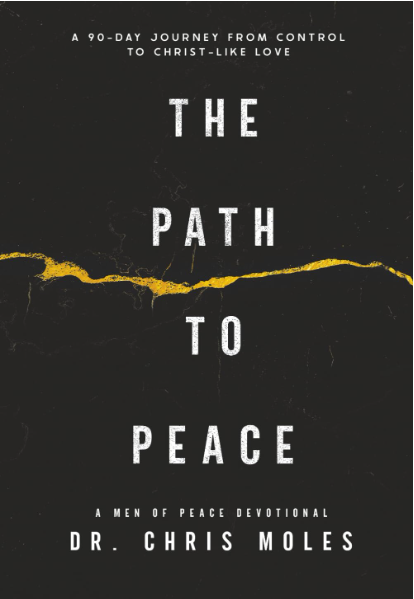
New Devotional
A Comprehensive 90-Day Roadmap for Men Seeking Redemption from Controlling Behavior
The Path to Peace is a guided journal designed for men who have realized that their words, actions, or attitudes have hurt the people they love. Whether your partner has expressed fear, your children walk on eggshells, or you are facing the loss of your family, this book offers a structured path toward genuine transformation. Written by a biblical counselor, this journal moves beyond "band-aid solutions" to address the root causes of controlling behavior: the heart.
Over the course of 90 days, you will be guided through a rigorous process that demands brutal honesty and offers gospel-centered hope.